Misrule, mayhem, mischief ‘n’ all the risk of pain – how drama needs mistakes
Last weekend, I ran one of my playwriting workshops (want one? get in touch!). It was for the very excellent, multi-hyphenate writer Clare Reddaway. I first knew Clare as a playwright, but she also runs all kinds of writer development adventures – and has yet another new book out.
We spent Saturday morning eyebrow-deep in the various elements that make plays both rubbish and disappointing. Then we played a LOT with things that make them energetic, exciting and give plays that genuine edge-of-your-seat thrill.
- Tell me a thing that – when people do it – it drives you MAD
- Name the social law (often an unspoken one) they’ve breached –Thou shalt not – what?
- What was the emotional impact on whoever was there? If it’s a big emotion like anger or fear – break it down further – eg trepidation or terror? Ire, irritation or frustration?
- And what was the immediate behavioural impact? Maybe you shouted? Swore under your breath? Name-called? Whispered a spell…?
- And then – what longer-term reactive behaviour gets inspired as a result? Poisoning the summer fete punch? Moving away? Gossip? Changing your routine?
A lot of the rule-breaking that people named was about people’s careless thoughtlessness. Like talking during a play (“we don’t CARE if she looks like your Auntie Mary!”), or not having your ticket ready at the station exit.
Then there was the ‘pushing it a bit far, you *****’ category: nipping backwards into the parking space you know someone else has been waiting for; deliberately spoiling the ending of a joke or story; knowing deceit, minimised, in the “who’s it hurting/ no-one will ever know” zone, like telling the insurer your camera got nicked abroad, or using public transport without paying.
There’s obviously a load more that are zinging into your heads, you creative hotpots, and this was a super-excitable part of the event. Why? Because getting ANNOYED is all about energy. And getting annoyed by people doing something they are not supposed to do is HUGELY energetic. Emotionally, impatience, indignation, fury, rancour, vengefulness, irritation, aggravation and high dudgeon are the heaving bosoms of drama. Each one of those does a different thing to us when we’re watching. It’s a dynamic; an interaction between people. And theatre is all about progression – about how and what will move characters from one state to another. If we feel there is high energy, and we’re asking “what will happen?” then we are hooked, giving our full attention.
Just a note here, because emotions are things to be handled with care. For this exercise, I’m not interested in social mores whose breach causes real harm. That takes us into stories of crime or abuse, and while my first play was about abuse, I don’t want to go there again. Personally, I don’t write tragedies (painful-ending stories) because there’s little positive for a character to come back for; the damage is done and it’s horrible. But hope? Hope, I like very much, but that’s another story.
So the lesson we learnt in the workshop was that anger in all its flavours, from impatience to indignation, to rage, is frankly juicy. By which I mean, it has a lot to give.
- In a farce, writers can delight audiences with an irritated pompous ass who’s made to run around chasing after something that makes him look a fool. For classic TV fans, this happens to Frasier in every episode.
- In social satire, everyone can wind everyone else up with (and to) oblivion – while only the audience ends up shocked (Bruce Norris’s The Pain and the Itch is a masterclass here).
- And in every kind of play, controlled emotion that’s leaking out through body language and subtext, which the audience can feel, and is waiting to escalate, positions us firmly in the room, completely immersed, and forgetting ourselves.
Ah, yes – can you see what’s in bold? The emotions of the audience. Because that – and only that – is what we are here for. If we do not engage our audience’s emotions – and plan for them with care, curating a fabulous experience for them, we should pack up and go home. Our writerly delight might be in working out a vital story we need to tell, for sure; that’s important and has a vital magic of its own. But we must work on it – by considering the audience’s emotional journey – before we serve anything up. Or else, we risk serving up the slops: self-indulgent play-acting for our own pleasure alone, which we assume an audience will like, because it’s a thing we’ve made… (You should have heard the famous names who made the list of Rubbish We’ve Had to Tolerate On Stage).
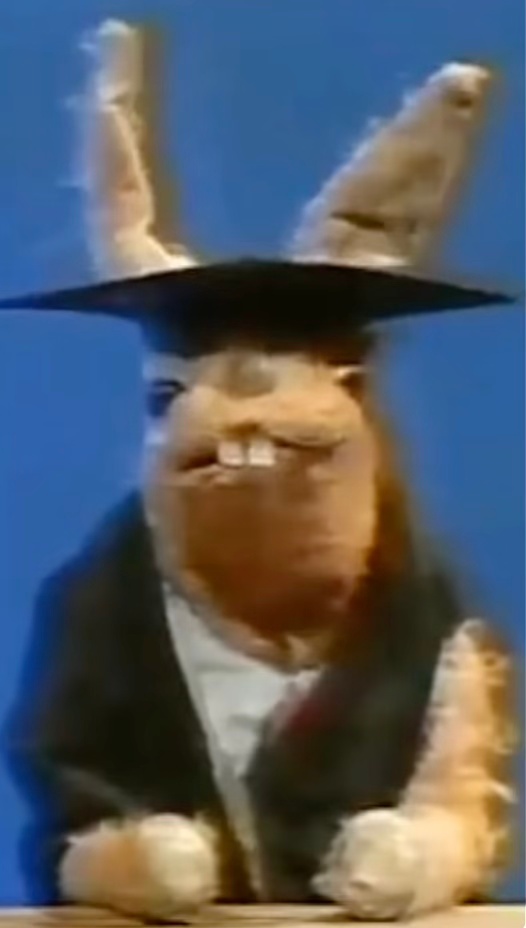
Characters who break rules deliberately belong to a very old dramatic tradition: the Trickster. If you know me in person, you’ll be unsurprised when I admit I’m convinced it all comes down to Hartley Hare. I worship at that mangey puppet’s altar. What do I mean? He’s the Trickster. Like Anansi, Loki, Brer Rabbit, Bugs Bunny and Bart Simpson. And – tho’ they might hesitate to identify with characters such as these, audiences love a bit of mayhem.
But didn’t I say most of the transgressions that annoyed the group were accidental? Yes, and then this glorious comment came through: “I like it when people break the rules,” and everyone did a pivot. Because it’s one layer of grimness when rules are breached by accident, habit, or meaning no harm, but it takes things to another place altogether when they’re broken on purpose.
What does it do when you think a harm’s being done on purpose? First, as a character; second, in the audience? It increases the energy. It motivates. It creates licence to take action, like revenge – which might be described as ‘vengeance’ if you’re very certain that you’re morally in the right. When I was three, my mum was convinced I’d taken down the stick holding up her washing line out of malice. “You did that on purpose!” she yelled. I remember, because I asked, “what does on purpose mean?” so I could reply honestly. She was right in that I did it deliberately, to see what would happen. But no, I didn’t do it so her clean sheets would fall in the mud.
So, dramatically, what does it do to a story/situation when a character assumes – is convinced of – ill intent? A rule has been broken (thou shalt not X). What happens when they act on the breach, applying that conviction? How different is their behaviour when they feel deliberately attacked, compared to how they would have behaved if they’d been irritated by carelessness or misunderstanding? And then, what results when either they or the audience realise they’re wrong? And what does it do to those of us watching, if only the audience know?
Drama thrives on mistaken assumptions about intention, and intention comes from choices that are made in response to emotional reactions. And reactions come from rules. Think Twelfth Night, The Play That Goes Wrong, Oedipus Rex, Death of a Salesman, Doubt, To Kill A Mockingbird, King Lear or Paddington 2.
So have a think about which rules your characters really care about. What must be upheld? What happens when breaches are deliberate? And what happens to them and those around them when they’ve made a mistake?
And if you’d like me to run a workshop for you on this and other awesome things that crack open your writing, you know what to do. I’d love to hear from you.

 Gill Kirk, writer
Leave a comment