Why’s a script more like an advent calendar or a Haynes manual than a novel?
Since the last scribbles, there’s been some prose-based shenanigans (for another day) but also some fantastic playwriting adventures. I took over from the marvellous playwright Dougie Blaxland as course tutor at Advanced Studies in England in the summer, and have been teaching a practical playwriting course to a group of smart American undergrads.
Some were seasoned creative writers – poetry, prose, film and perhaps some theatre. But at least one had never taken a creative writing class. After 12 weeks, each would return to the States with a 30-minute one-act play.
This is no mean feat. Theatre writing is HARD. And when it’s badly done, it’s excruciating. Audiences want drama! Not lessons, not lectures, not lengthy explorations. Not polemical treatises. Nor muck-rolling me-me-me-self-indulgence. Absolute not thrilling stories of exciting things that happen off-stage. Please god, no damp squibs – so-promising set-ups that never deliver. Lastly, of course: no boring people or predictable ploddery.
Screenwriting expert Phillip Shelley (who runs the fabulous Channel 4 4Screenwriting course) likens a good drama to the best football matches. Yes, you know the structure, the rules, the run-time. But WHAT WILL HAPPEN? Right here, right now? That, my friends, is what keeps us engaged: there’s everything to play for, moment by moment.
So if you think you’ve got a great story to tell, how do you keep it feeling as thrilling as a really good football match? Here are some the guiding principles the students found most valuable:
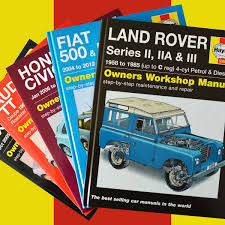
- A script is not a novel. It’s a ‘how to construct this story on-stage’ guide, like a Haynes car manual tells you how a Ford Fiesta works. A script is instructions for your complete creative team – cast, tech, director etc.
- Really know your *story* – long before you start to tell it. Who are these people? Why are they here? What will WE see? What happened before we start?
- Know the emotional destination, starting point and stops along the way. You are *designing* – designing an experience. How do you want people to feel when they leave your ride?
- Theatre is theatrical – the in-the-moment theatrical experience, the trip home, and the musings the next day are all different experiences. You want them to mount, to improve like lasagne or trifle that’s left to settle a day before the eating. How can theatricality support your design goals, so that you’re not just dazzling them on the day, then leaving them with little but dust?
- Drama is about relationships – between people (themselves and others) and things (solid and abstract). Drama is, therefore, all about “crackle” – tension, suspense, of conflict, fear, hope, intention, desire – of anticipation – and then – GOAL!- the getting, and the setting up of yet another *gap*
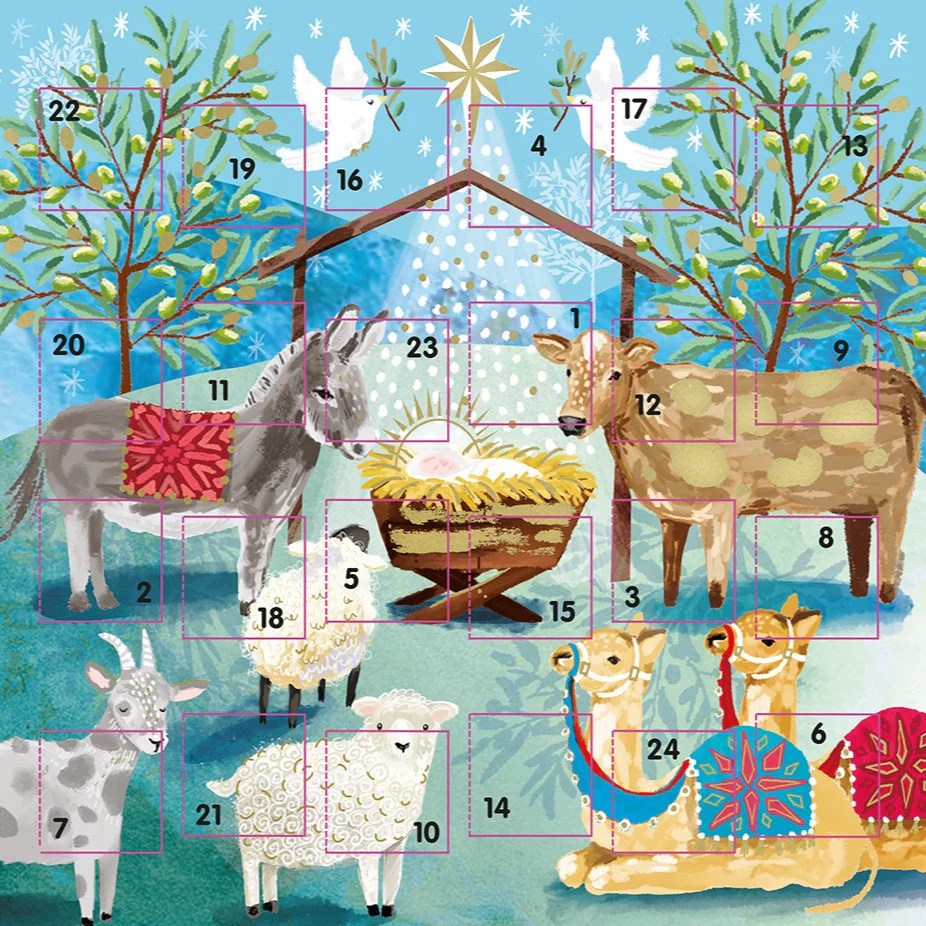
- Your playwriting choices are everything. Imagine your known story is the bottom, underlying picture of an advent calendar, hidden from view at dawn on 1 December. All that can be seen is the outer facade, all windows closed… So where have you placed the doors? In what order will you make them open? The spaces – relationships – between each window each sound a different note. Nothing should be inevitable until it – oh, good god, no! – it is, but because the emotional journey you designed has powerful integrity – is true to itself – it packs a hefty punch.
Clutching some fabulous grades and impressive scripts – which I very much hope will find audiences and stages before long – these students will soon head home. We’ve learnt from the work of outstanding modern playwrights, drawn our own observations, and created new work.
Thanks must go to those writers we learnt from, and their collaborators, not least Philip Ralph – not only for writing Deep Cut, which is a living thing even when off the stage (someone, fix this!) but also for his very generous session with the class. You can read Deep Cut for yourself, ordering a hard copy or e-book script – here.
And that, for now, is that.


 Gill Kirk, writer
Leave a reply to Gillian Kirk Cancel reply